WISCONSIN RAPIDS, LA, UNITED STATES, March 13, 2026 /EINPresswire.com/ — Roofing materials influence how much heat a building absorbs during warm weather. Reflective roofing systems are designed to limit heat gain by redirecting solar radiation away from the roof surface rather than allowing that energy to transfer into the structure below. This approach has become an important consideration in building design and renovation projects focused on temperature control and energy management.
Traditional roofing materials often absorb a significant portion of the sunlight that strikes the surface of a building. Dark roofing materials in particular tend to convert solar radiation into heat, raising the temperature of the roof structure and increasing the amount of heat transferred into interior spaces. This heat transfer can influence indoor temperature levels and contribute to increased demand on cooling systems.
Reflective roofing systems address this issue by incorporating materials or coatings that reflect a larger percentage of sunlight. By reflecting solar energy instead of absorbing it, these roofing systems help reduce the amount of heat entering the building envelope. Lower roof surface temperatures can contribute to a more stable interior environment during warmer months.
Reflective roofing technology is commonly associated with the concept of “cool roofs.” Cool roof systems are engineered to combine high solar reflectance with thermal emittance. Solar reflectance refers to the ability of a surface to reflect sunlight away from the roof. Thermal emittance refers to the ability of a material to release absorbed heat back into the atmosphere rather than transferring it into the building structure.
Together, these properties allow reflective roofing systems to reduce the amount of heat that accumulates in roof assemblies. As sunlight strikes the roof surface, a portion of that energy is reflected away while remaining heat is dissipated through thermal emission. This combination helps prevent roof surfaces from reaching extremely high temperatures during periods of strong sunlight.
Reflective roofing materials are available in several forms. Some systems use light-colored membranes that naturally reflect a significant portion of solar radiation. Other roofing systems rely on specialized reflective coatings applied to the roof surface. These coatings often contain pigments designed to reflect infrared radiation while maintaining durability against environmental exposure.
Metal roofing systems can also contribute to reflective performance when manufactured with reflective finishes or coatings. Certain asphalt shingles and composite roofing materials are now produced with reflective granules designed to increase solar reflectance compared to traditional roofing products.
Reducing roof surface temperatures can influence the thermal behavior of the building envelope. Roof assemblies that remain cooler during the day transfer less heat into the interior structure. This reduction in heat transfer can influence the amount of energy required for air conditioning systems to maintain comfortable indoor temperatures.
Reflective roofing systems may also influence the longevity of roofing materials. High roof temperatures can contribute to expansion, contraction, and long-term stress on roofing components. Lower surface temperatures may reduce the degree of thermal cycling experienced by certain roofing materials.
The concept of reflective roofing has also gained attention in urban planning discussions related to heat accumulation in densely developed areas. Large numbers of dark rooftops and paved surfaces can contribute to the “urban heat island” effect, in which temperatures in metropolitan areas remain higher than surrounding rural regions. Reflective roofing systems can play a role in moderating this effect by reducing heat absorption at the roof level.
Thad Brown, owner and founder of Dynamic Alliance Roofing LLC in Wisconsin Rapids, Wisconsin, notes that reflective roofing systems represent one method of addressing heat exposure in building design.
“Reflective roofing systems reduce the amount of solar energy absorbed by the roof surface,” said Thad Brown, owner and founder of Dynamic Alliance Roofing LLC in Wisconsin Rapids, Wisconsin. “Lower roof temperatures can influence how heat moves through the building envelope and affect interior temperature conditions during warm weather.”
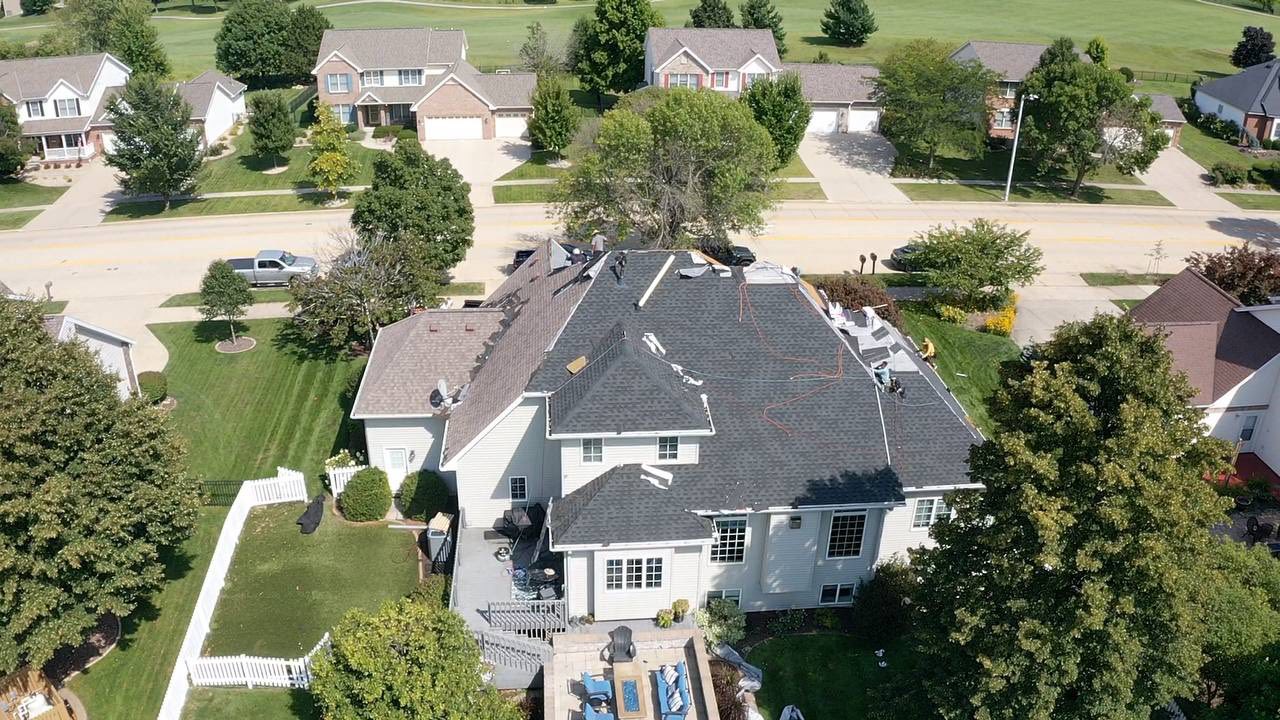
Installation methods vary depending on the type of reflective roofing system selected. Membrane roofing systems are commonly used on flat or low-slope commercial roofs, while reflective shingles and metal panels may be used on residential structures with steeper roof slopes.
The effectiveness of reflective roofing materials can also depend on roof orientation, regional climate conditions, and surrounding structures. Buildings located in areas with extended periods of sunlight may experience greater benefits from reflective roofing systems compared to regions with cooler climates or heavy seasonal cloud cover.
Maintenance considerations also play a role in reflective roof performance. Accumulated debris, dirt, or biological growth can reduce the reflective properties of certain roofing surfaces over time. Periodic inspection and cleaning may help maintain the intended reflectance of reflective roofing materials.
Reflective roofing systems represent one component within a broader approach to building envelope design. Insulation layers, ventilation systems, and building orientation also influence how heat enters and moves through a structure. When combined with these additional factors, reflective roofing can contribute to temperature management within residential and commercial buildings.
As building design continues evolving to address environmental conditions and energy considerations, reflective roofing systems remain one option for reducing heat absorption at the roof level. Through material selection and installation techniques designed to reflect solar radiation, these roofing systems help influence the thermal behavior of structures exposed to direct sunlight.
Morgan Thomas
Rhino Digital, LLC
+1 504-875-5036
email us here
Visit us on social media:
Facebook
Legal Disclaimer:
EIN Presswire provides this news content “as is” without warranty of any kind. We do not accept any responsibility or liability
for the accuracy, content, images, videos, licenses, completeness, legality, or reliability of the information contained in this
article. If you have any complaints or copyright issues related to this article, kindly contact the author above.