Independent podcast examines modern attitudes toward work, fulfillment, and identity as listeners seek more honest narratives about professional life.
MANCHESTER, NH, UNITED STATES, January 26, 2026 /EINPresswire.com/ — Work Sucks, But I Like It, an independent podcast exploring the realities of modern work, is gaining momentum as conversations about burnout, purpose, and work-life balance continue to shape today’s workforce. The show has steadily expanded its audience by focusing on candid discussions rather than prescriptive advice, reflecting a broader cultural shift in how work is experienced and discussed.
Hosted by Tony Tenaglier, the podcast examines the tension many people feel toward their jobs—acknowledging dissatisfaction while also exploring why work still matters. Episodes feature professionals from a range of industries, including manufacturing, entrepreneurship, coaching, creative fields, and wellness, offering perspectives that challenge traditional definitions of productivity and career success. Tony believes that success is not a matter of good luck, but good skills. Each episode offers a potential skill for listeners to work on.
Rather than positioning work as something to either escape or glorify, Work Sucks, But I Like It centers on nuance. Listeners hear firsthand accounts of career pivots, leadership challenges, mental fatigue, and personal growth, often highlighting how meaning is shaped over time rather than achieved through a single role or title.
The podcast’s recent growth coincides with increased attention on topics such as workplace flexibility, employee disengagement, and shifting generational expectations. As organizations and individuals reassess long-held assumptions about work, the show has resonated with audiences looking for reflection rather than motivation-driven messaging.
Industry platforms supporting independent podcasters have helped broaden the show’s reach, allowing the podcast to connect with new guests and listeners while maintaining a consistent release schedule. According to listener feedback, the podcast’s appeal lies in its straightforward tone and its willingness to address uncomfortable realities without framing them as failures.
Episodes frequently explore questions such as: How do you define work? What skills do you use to make work more enjoyable (not suck)? Why do people stay in work they find frustrating? How do discipline and dissatisfaction coexist? These themes align with ongoing research and commentary suggesting that fulfillment at work is increasingly viewed as evolving, rather than fixed.
As the podcast continues to develop, its focus remains on documenting how people navigate work in real time—often without clear answers. Future episodes will continue to feature diverse voices and lived experiences, with an emphasis on dialogue over solutions.
By positioning work as a dynamic part of life rather than a destination, Work Sucks, But I Like It reflects a growing recognition that dissatisfaction and engagement are not mutually exclusive, and that redefining work may begin with talking about it differently.
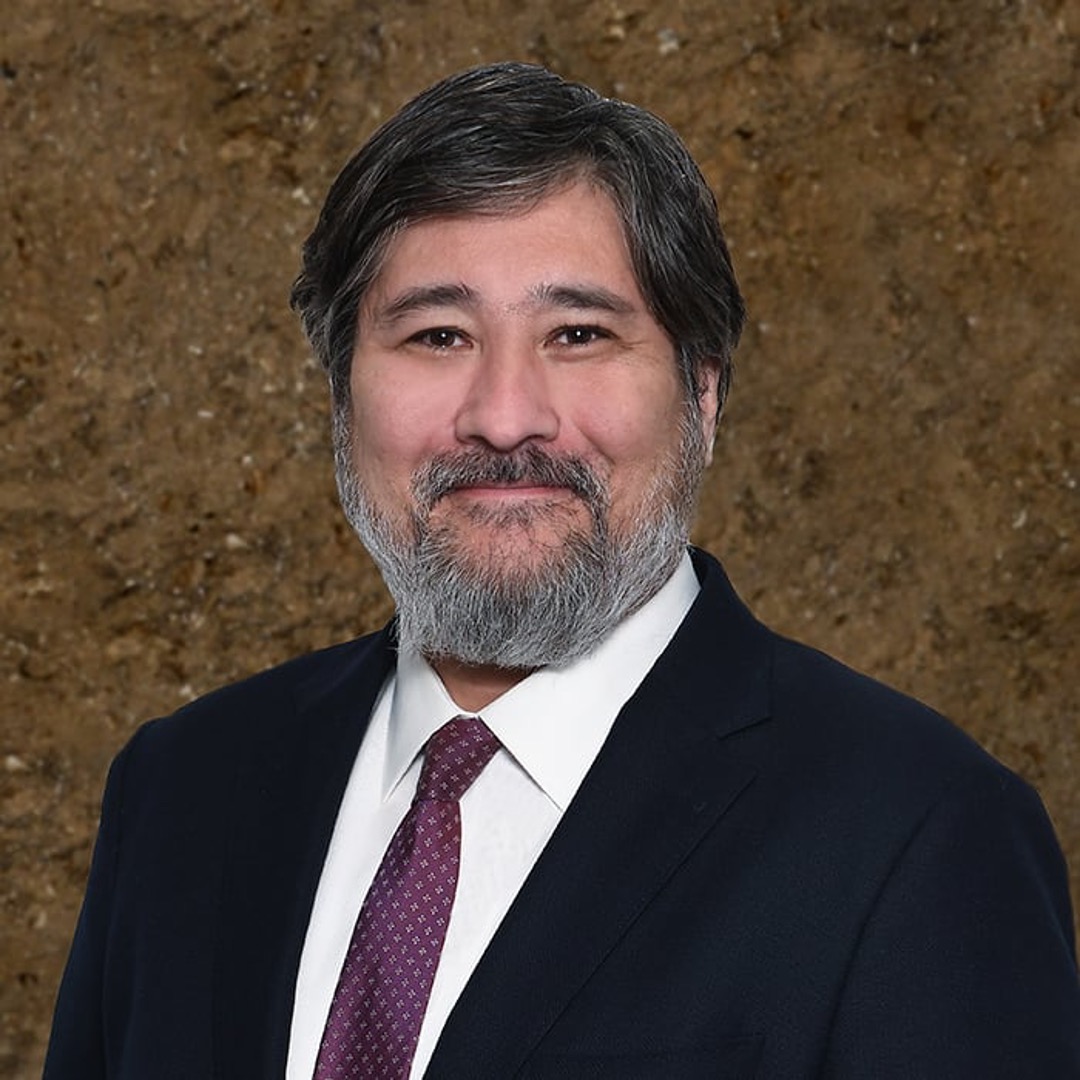
About Tony Tenaglier:
Tony is a writer, podcast host, and quality manager in the aerospace investment casting industry. He is a columnist for Thermal Processing Magazine and the author of two self-help books focused on work, discipline, and personal development. His work explores the intersection of psychology, leadership, and everyday professional life. He is a PhD candidate in I/O psychology, where he often brings his education and recent studies into discussions about work.
Tony Tenaglier
Work Sucks, But I Like It LLC
team@worksucksbutilikeit.com
Visit us on social media:
Other
YouTube
LinkedIn
Instagram
Legal Disclaimer:
EIN Presswire provides this news content “as is” without warranty of any kind. We do not accept any responsibility or liability
for the accuracy, content, images, videos, licenses, completeness, legality, or reliability of the information contained in this
article. If you have any complaints or copyright issues related to this article, kindly contact the author above.